
 Home
Home
 Apps
Apps
Why January Is the Most Expensive Month of the Year, And No One Warns You
 Share
Share
January is the month that quietly wrecks my budget. Not December—when the spending happens—but January, when the consequences arrive. Credit card balances update, utility bills jump, subscriptions renew, and suddenly my bank account looks nothing like I expected.
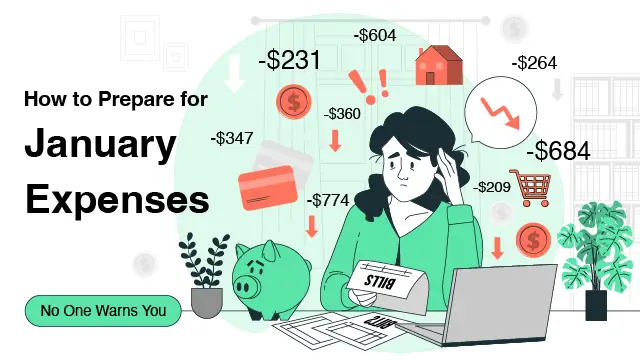
No one really warns you about this part. But once I understood why January is so expensive, I stopped being surprised—and started preparing for it.
Holiday Spending Doesn’t End in December — It Shows Up in January
What took me years to realize is that holiday spending is delayed.
Many December purchases don’t fully settle until January:
Credit card transactions post late
Travel charges finalize after trips end
Buy-Now-Pay-Later plans begin billing
Interest starts accumulating immediately
By January, all those “small decisions” stack into one big monthly hit.
This is why January statements always feel worse than expected—even when I thought I was careful.
Tool I use to check and manage my spending:
📊 Rocket Money – It shows pending and posted transactions clearly, so I can see what’s rolling into January instead of guessing.
Rocket Money is the easiest way to find subscriptions, manage bills, and even cancel recurring charges with a single click.
January Utility Bills Are the Highest of the Year
Every winter, I underestimate this.
January is usually peak season for:
Heating usage
Electricity (shorter days, more indoor time)
Regional energy rate adjustments
The problem isn’t just the bill amount—it’s timing. Utilities hit right after holiday travel, gift spending, and time off work.
It’s the perfect storm for cash flow stress.
Tools I use to Track My Utility Bills:
⚡ Sense– Helps me understand where electricity usage spikes. It is the perfect place to control my home energy use.
📱 MySCE Mobile APP– I check projected bills mid-month so nothing surprises me
Subscriptions Quietly Renew While You’re Distracted
January is subscription renewal season, whether you remember signing up or not.
I’ve caught:
- Fitness apps renewing from last January
- Streaming services added over the holidays
- Cloud storage and productivity tools I no longer use
Individually, they look harmless. Together, they drain real money—especially when cash is already tight.
Tool I use to cancel subscription in a click:
🔍 Rocket Money (Subscriptions feature) – It flags recurring charges and makes cancellations faster than digging through emails.
Insurance, Annual Fees, and “Once-a-Year” Costs All Stack Up
January is also when a lot of unavoidable expenses land at once:
Auto or home insurance renewals
Annual service or membership fees
Registration or compliance costs
Tax-related adjustments starting to appear
None of these are shocking on their own. What hurts is that they arrive together, right when post-holiday fatigue is highest.
This stacking effect is why January feels more expensive than any other month.
Tool I use:
📅 Google Calendar + bill reminders – I add all annual fees so January doesn’t blindside me.
Why January Feels Worse Than December (Even If You Spend Less)
December spending comes with excitement.
January spending comes with regret.
There’s no celebration attached to a heating bill or an insurance renewal. Psychologically, that makes January expenses feel heavier—even if the total amount isn’t dramatically higher.
Once I understood this, I stopped blaming myself and started planning around it.
What I Do Now to Avoid January Money Shock
I don’t try to “perfect” December anymore. I plan for January instead.
1️⃣ I Treat Late-December Spending as January Spending
If I buy something after mid-December, I mentally assign it to January. That single mindset shift changed everything.
2️⃣ I Do a Subscription Audit Every Early January
Not later. Not “when I have time.” Early January, before the renewals pile up.
3️⃣ I Keep a Small January-Only Cash Buffer
Not an emergency fund—just a buffer for predictable post-holiday bills. It reduces stress immediately.
Tool I use:
📈 YNAB (You Need A Budget) – I create a specific “January Bills” category so the money already has a job.
January Is When I Reset My Finances — Not December
I used to do my financial planning in December. Now I wait.
January shows me:
My real holiday spending
My true monthly expenses
Where cash flow actually breaks
That’s when I rebalance accounts, adjust savings, and automate investments—based on reality, not optimism.
Tool I use:
🤖 Autopilot – It helps me automate investing decisions so I’m not reacting emotionally after an expensive month.
The Apps and Tools I Personally Use Every January
Here’s my real January toolkit:
- Rocket Money – Track spending + kill unused subscriptions
- YNAB – Plan for delayed expenses instead of reacting to them
- Sense – Understand winter energy usage
- Autopilot – Keep long-term investing on track
- Calendar reminders – Simple, but shock-proof
I don’t use these tools to be perfect.
I use them so January doesn’t feel like a financial ambush.
Final Thought
January isn’t expensive because you failed. It’s expensive because expenses are delayed, stacked, and invisible until the holidays are over.
Once I stopped fighting that reality and started planning for it, January became manageable—and even empowering.


 More Popular Reports
-
 How to Build Skills That the Future Will Pay ForSelf-Growing Techie Future-Proof Skills Tech Skill Development T-Shaped Skills
 -
 10 Warning Signs Your Heart Might Need AttentionEarly signs your heart needs a checkup Chest pain and shortness of breath causes When to see a doctor for heart symptoms Unexplained fatigue and heart health